 Milos Stojanovic
 01 March 2026
Contextual relevance: Links embedded within high-quality, contextually appropriate content hold greater significance than arbitrary or unrelated placements.


Backlinks have consistently been among the most crucial factors for ranking in search engine optimization. They act as digital endorsements - each link directing to your site indicates to search engines that another domain regards your content as credible, pertinent, and worthy of sharing. However, while the principle of backlinks remains unchanged, the manner in which search engines assess them is continually advancing.
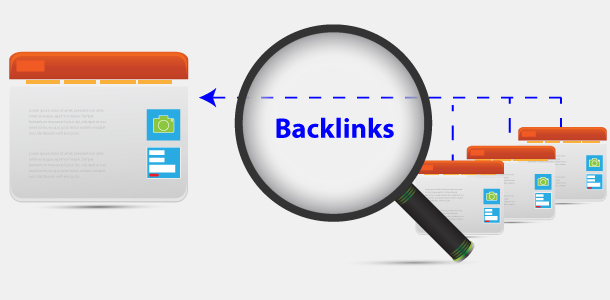
A backlink is essentially a hyperlink from one website to another. Search algorithms utilize these links to evaluate trustworthiness and authority. In theory, a page with a greater number of quality backlinks should achieve a higher ranking as it is perceived as a dependable source of information.
Nevertheless, search engines have become significantly more adept at distinguishing between valuable endorsements and spam. In the past, link exchanges, bulk directories, and automated link-building tools could rapidly enhance rankings. Today, employing those same strategies is likely to result in penalties. Search engines prioritize the quality and relevance of each link over mere quantity.
The most effective backlinks originate from authentic relationships, reputable sources, and content that organically garners attention. In summary: if it wouldn't be logical for a genuine user, it likely won't be logical to an algorithm either.
Modern link assessment extends beyond mere metrics. Search engines evaluate various signals to ascertain the value a backlink conveys, including:

Contextual relevance: Links embedded within high-quality, contextually appropriate content hold greater significance than arbitrary or unrelated placements.
Topical authority: A backlink originating from a site recognized as an authority in your field wields considerably more influence than one from a general-interest blog.
Placement and format: Links that are seamlessly integrated into the body text are generally more valuable than those found in footers, sidebars, or comment sections.
Diversity: A robust backlink profile comprises links from a range of domains, each catering to distinct audiences and content themes.
Organic acquisition: Gaining links due to content being useful, engaging, or newsworthy indicates authenticity and fosters trust over time.
Acquiring quality backlinks in the current landscape primarily revolves around generating value and establishing genuine relationships. Some effective methods include:
Publishing original data or research: Studies, surveys, and statistical reports draw citations and natural links from journalists and bloggers.
Developing evergreen resources: Guides, tools, and templates frequently become reference points that others link to consistently.
Collaborating with industry experts: Interviews, podcasts, and guest contributions broaden your reach and enhance your reputation.
Leveraging digital PR: Story-driven outreach facilitates coverage in reputable media outlets while securing valuable backlinks.
Creating link-worthy visual content: Infographics, interactive tools, and case studies promote sharing and referencing.
In the end, backlinks continue to serve as one of the most evident markers of trust on the internet. They signify the extent to which your brand is appreciated by others and how your content plays a role in wider discussions. Although algorithms may change, the fundamental concept persists: high-quality content attracts high-quality links.
The most effective link-building approaches prioritize human relationships, relevance, and authenticity rather than deceit. By dedicating resources to produce content that truly assists users and cultivates partnerships grounded in trust, backlinks will organically follow.

We're here to help! If you have any questions or would like to discuss
how our SEO and digital marketing services can benefit your business
Our team of digital marketing experts creates effective marketing strategies and implements them with digital marketing innovations, smart analytics, and tools, in a way that speaks your brand’s language.
©Copyright 2024 TML - All rights reserved

